On June 6, 1944, as Allied soldiers fought ashore at Normandy, large German forces remained far to the north, waiting for the "real" invasion at Pas-de-Calais. That fatal delay was not the work of a general or a statesman. According to MI5 and modern deception historians, one of its architects was Joan Pujol García — a failed poultry farmer from Barcelona who had never seen London when he began sending "reports" from it. His codename was Garbo.
Rejected Three Times
After the Spanish Civil War left Garbo with a deep hatred of political extremism, he decided in 1941 to serve Britain. He walked into the British Embassy in Madrid — and was turned away. He tried again. And again. British intelligence had no use for an amateur with no credentials.
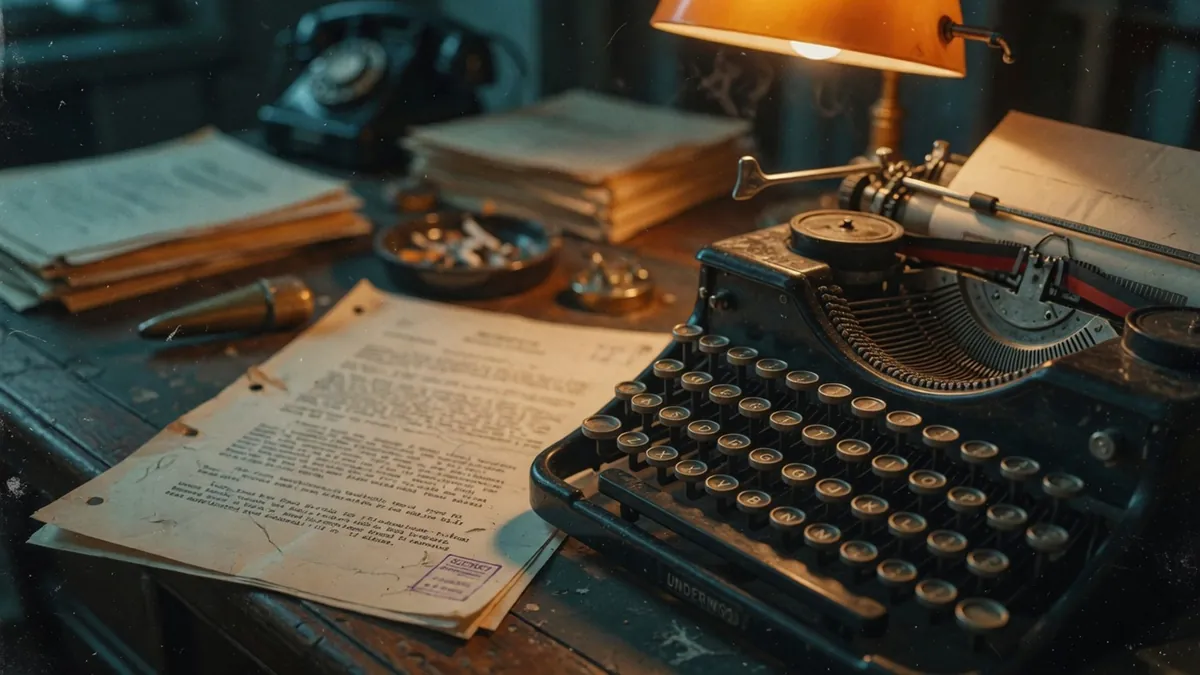
Garbo's response was as irrational as it was brilliant: if Britain would not hire him, he would infiltrate German intelligence first. Posing as a fanatical Nazi sympathizer, he volunteered to the German Abwehr, received invisible ink, codes, and expense money, and was ordered to travel to Britain and build a spy network.
The Lisbon Library
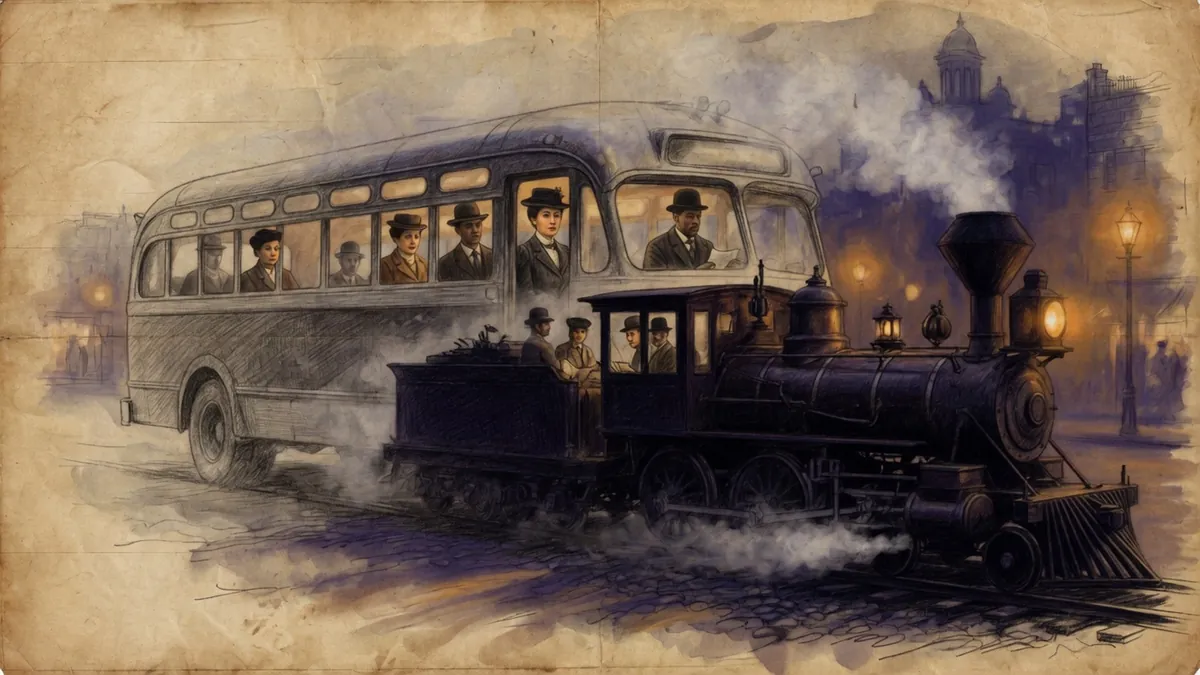
He went to Lisbon instead. From public sources — a tourist guide to Britain, railway timetables, cinema newsreels, magazine advertisements — Garbo manufactured vivid intelligence reports. He invented sub-agents with names, salaries, and personalities. When he made geographic or cultural errors, he killed off a sub-agent and blamed them in the next dispatch.
The fiction was so convincing that British codebreakers intercepted his messages and MI5 hunted a spy ring that did not exist. A phantom convoy report finally convinced the Allies of his value: Germany's navy wasted resources chasing an imaginary fleet. In April 1942, Garbo was brought to England and given his codename — after Greta Garbo, because, as his handlers said, he was the best actor in the world.
Twenty-Seven Agents Who Never Lived
With MI5 officer Tomás Harris, Garbo expanded his invented network to 27 agents. They wrote hundreds of long letters to German handlers. When a fictional agent "died," Garbo placed a real obituary in a British newspaper — and Berlin paid a pension to the widow. Nazi Germany funded the survivor of a man who never existed.
Operation Fortitude
In 1944, Garbo played a leading role in Operation Fortitude, the deception plan to convince Hitler that Normandy was a diversion and Calais the main target. His urgent message on June 5 insisted the real assault was still to come in the north. Hitler kept major forces away from Normandy at the decisive hour.
In July 1944, Garbo received the Iron Cross, Second Class, for his services to the Reich. He had already been made a Member of the Order of the British Empire. He remains one of the only WWII agents decorated by both sides.
After the War
Garbo eventually relocated to Venezuela, where he lived quietly and ran a bookstore. He died in Caracas in 1988, largely unknown to the public while his files remained classified. Historians now credit him as a master of strategic deception — proof that wars are shaped not only by weapons, but by the stories enemies believe.
Sources and Bibliography
- MI5 Official History. Agent Garbo. UK Security Service historical account.
- Seaman, Mark (2004). Garbo: The Spy Who Saved D-Day. London: Michael O'Mara Books.
- Talty, Stephan (2012). Agent Garbo: The Brilliant, Eccentric Secret Agent Who Tricked Hitler and Saved D-Day. Boston: Houghton Mifflin Harcourt.
- Pujol García, Juan (1985). Overlooked: The Autobiography of the Spy Who Turned the Tide of D-Day.
- West, Nigel. Double Cross System. Declassified Allied deception operations.
Methodological note: Claims about Fortitude and division movements follow mainstream deception histories (Cave Brown, official Allied postwar studies). Enigma-related contributions are framed cautiously per open MI5 and Bletchley secondary literature.
Legacy in Strokes — uncovering the unseen footprints of history's giants. Watch the full documentary on our YouTube channel.