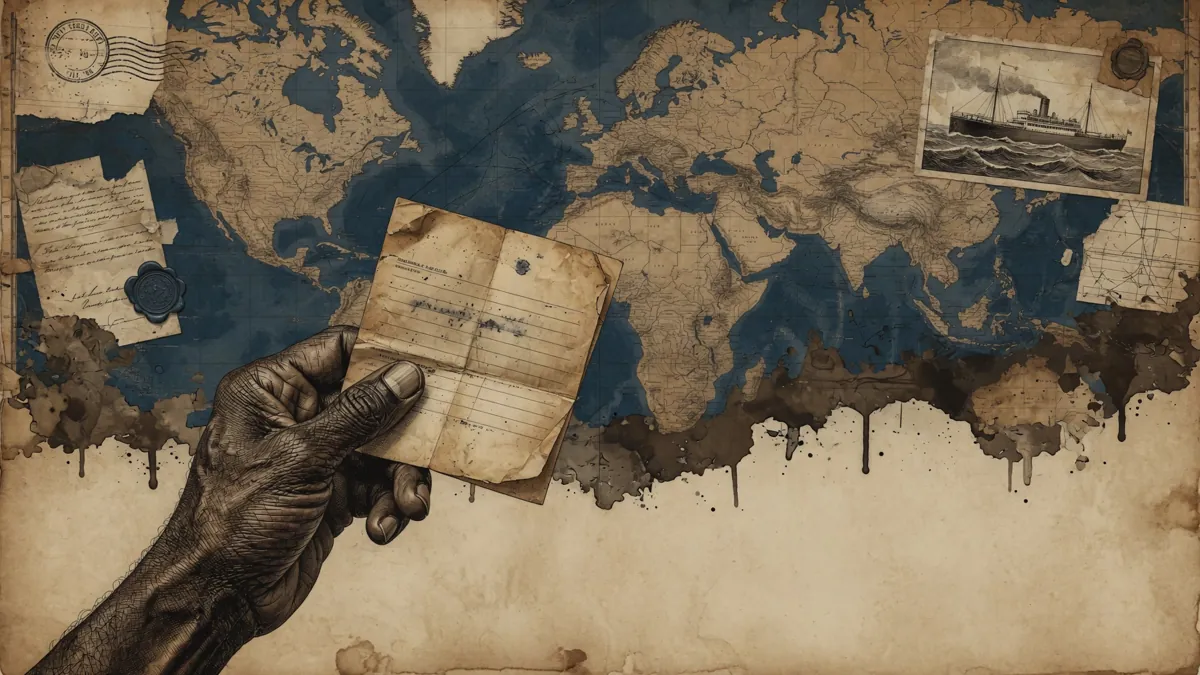
Before she became the voice of a generation, a celebrated poet, and the writer of the landmark memoir I Know Why the Caged Bird Sings, Maya Angelou lived several extraordinary lives. From surviving a trauma-induced silence as a child in the segregated South to fighting racial barriers as San Francisco’s first Black female streetcar conductor, performing as a global Calypso singer, and coordinating campaigns with Malcolm X and Martin Luther King Jr.—her early years were a crucible of survival that forged her legendary voice.
The Silence of Stamps, Arkansas
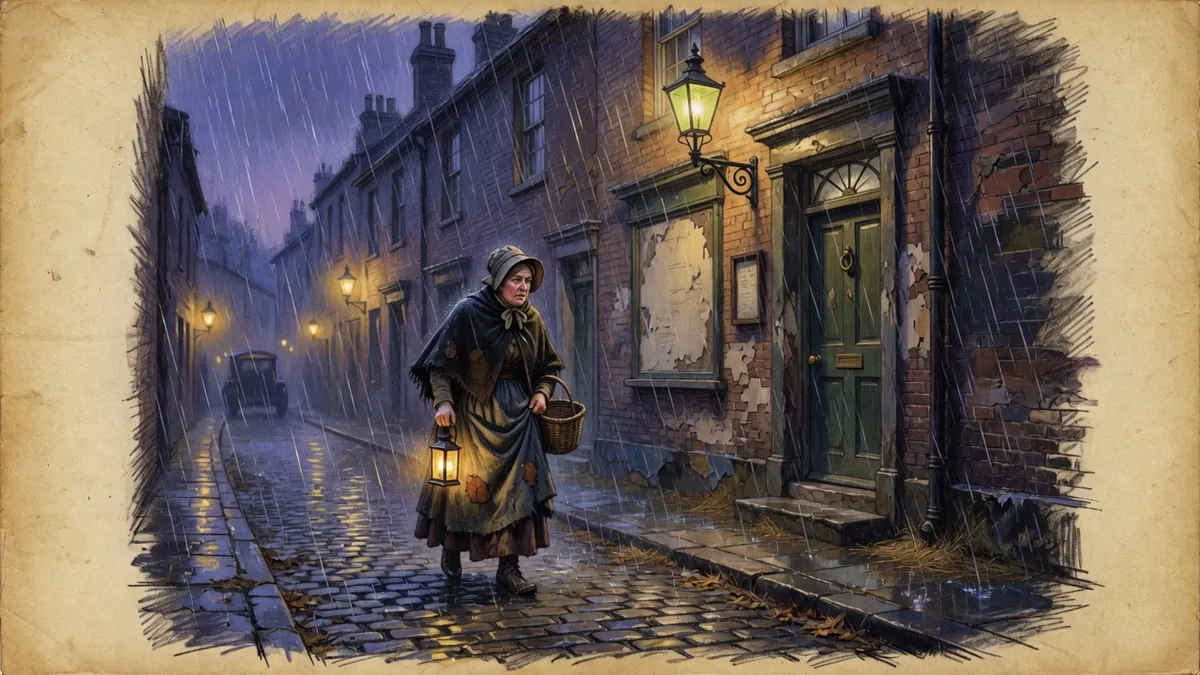
Born Marguerite Annie Johnson in 1928, her childhood was split between St. Louis and Stamps, Arkansas, where she lived with her grandmother, Annie Henderson. At age seven, while visiting her mother in St. Louis, she was sexually abused and raped by her mother's boyfriend. When she testified about the abuse, the man was arrested, only to be murdered shortly after his release—likely kicked to death by Marguerite's uncles. The shock convinced the young girl that her voice had killed him: "I thought, if I speak, my mouth will kill people," she later recalled. For five years, she retreated into complete muteness, refusing to speak to anyone except her brother Bailey.
This period of silence, however, was not empty. Marguerite turned to literature, devouring classics by Shakespeare, Edgar Allan Poe, and Langston Hughes. The rhythm of these texts structured the internal voice she would later unleash upon the world.
The Battle of the Streetcars (1944)
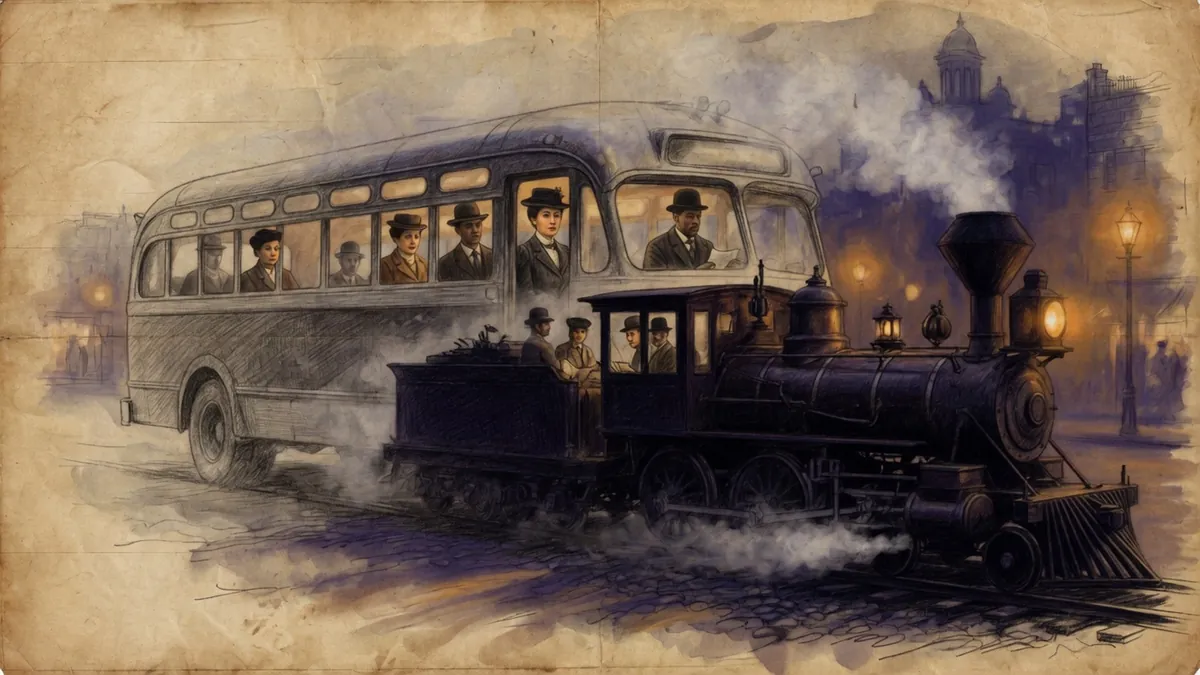
By age sixteen, Marguerite was living in San Francisco. Fascinated by the streetcars running down Market Street and noticing the complete absence of Black female conductors, she resolved to get the job. The Market Street Railway Company repeatedly refused to give her an application due to her race. Undeterred, she returned to the hiring office every single day for three weeks, sitting on a wooden bench from morning until evening.
Her persistence paid off. The company relented, and with her mother's encouragement—which included lying about her age on the application to meet the requirements—she was hired. She became San Francisco's first Black female streetcar conductor, working the grueling early morning shifts in the freezing coastal fog. To ensure her safety on late-night routes, her mother would follow the streetcar in her car, a pistol resting in her lap. The experience taught Marguerite that barriers were meant to be broken and rules were negotiable.
Becoming "Miss Calypso"
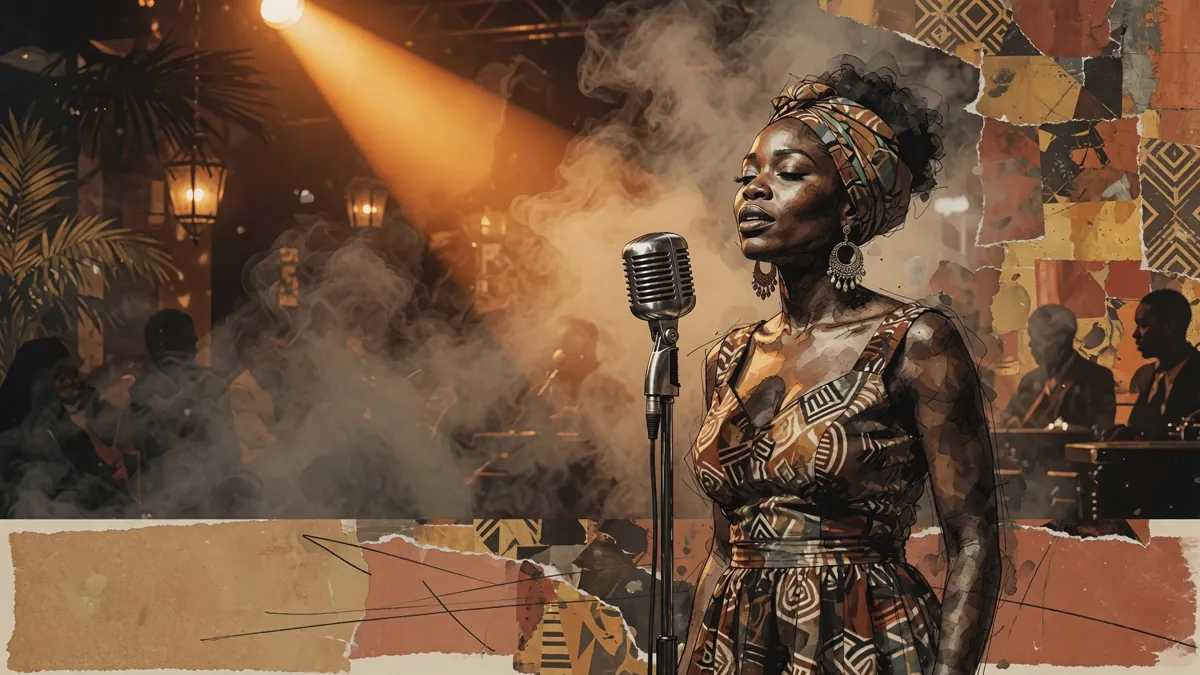
In the 1950s, Marguerite transitioned to the stage. While performing at bohemian venues in San Francisco, she was advised to adopt a more theatrical name. She combined "Maya" (her brother's nickname for her) with "Angelou" (a variation of her former husband's name, Tosh Angelos). As "Miss Calypso," she recorded an album of Afro-Caribbean songs in 1957 for Liberty Records and toured the country during the height of the calypso craze. Shortly after, she traveled across Europe and North Africa as a featured dancer in a State Department-sponsored tour of George Gershwin's opera Porgy and Bess, expanding her worldview and exposing her to international liberation movements.
At the Crossroads of the Civil Rights Giants
By the 1960s, Angelou’s focus shifted from entertainment to direct political activism. She moved to New York and served as the Northern Coordinator for the Southern Christian Leadership Conference (SCLC), working closely with local organizers. She then spent years as a journalist in Cairo, Egypt, editing the weekly paper The Arab Observer, and in Accra, Ghana, where she became a prominent member of a community of African-American expatriates.
It was during this period that her path intersected with the most prominent leaders of the Civil Rights movement. In Ghana, she met Malcolm X and agreed to return to New York in early 1965 to help him establish the Organization of Afro-American Unity. Tragically, just days after her arrival, Malcolm X was assassinated at the Audubon Ballroom, shattering their plans and leaving her devastated.
Three years later, in 1968, Dr. Martin Luther King Jr. asked her to organize the Poor People's Campaign. But on her 40th birthday—April 4, 1968—Dr. King was assassinated in Memphis. The double loss of both Malcolm X and MLK sent Angelou into a profound depression. For decades, she refused to celebrate her birthday on April 4th, instead sending flowers to Coretta Scott King every year.
Uncaging the Song
In the wake of this grief, her close friend James Baldwin challenged her to write down her experiences as a way to process the trauma and survival. The result was I Know Why the Caged Bird Sings, published in 1969. The book was a critical and commercial success, transforming autobiography into a poetic art form and giving voice to the untold stories of Black women in America.
By the time she stood on the Capitol steps in 1993 to read her poem "On the Pulse of Morning" at the presidential inauguration, she was no longer the silent child of Stamps. She was a woman who had lived a dozen lives, survived the darkest chapters of history, and turned her silence into an immortal song.
Sources and Bibliography
- Angelou, Maya (1969). I Know Why the Caged Bird Sings. New York: Random House. (Deals with her childhood, trauma, muteness, and the San Francisco streetcar years.)
- Angelou, Maya (1976). Singin' and Swingin' and Getten' Merry Like Christmas. New York: Random House. (Covers her theatrical career and Miss Calypso era.)
- Angelou, Maya (1981). The Heart of a Woman. New York: Random House. (Details her civil rights activism, working with SCLC, and relationships with Malcolm X and MLK.)
- Angelou, Maya (1986). All God's Children Need Traveling Shoes. New York: Random House. (Covers her journalistic work and community in Accra, Ghana.)
- San Francisco Municipal Transportation Agency (SFMTA) Archives. Employment records and historical features on the 1944 Market Street Railway conductors.
- Lupton, Mary Jane (1998). Maya Angelou: A Critical Companion. Westport: Greenwood Press.
Methodological note: This biographical essay draws directly from Maya Angelou's multi-volume autobiographical works, cross-referenced with public records (SFMTA payroll archives) and contemporary historical accounts. The political intersections with Malcolm X and Martin Luther King Jr. are verified through their documented correspondence and institutional records of the SCLC and OAAU.
Legacy in Strokes (Uncovering the unseen footprints of history's giants). Watch the complete video documentary on our official YouTube channel.